Time Management Tips for Students
Time Management Tips for Students
One of the most important skills for students is time management, especially when it comes to juggling many classes, assignments, tests, and extracurricular activities.Time Management Tips for Students Feelings of overwhelm may result from the difficulty of balancing these obligations.
Thus, developing the skill of time management is crucial as it not only improves academic achievement but also reduces stress and makes it easier to have a healthy lifestyle.Time Management Tips for Students Students may increase their productivity and well-being by making good use of their time.
Understanding the Value of Time
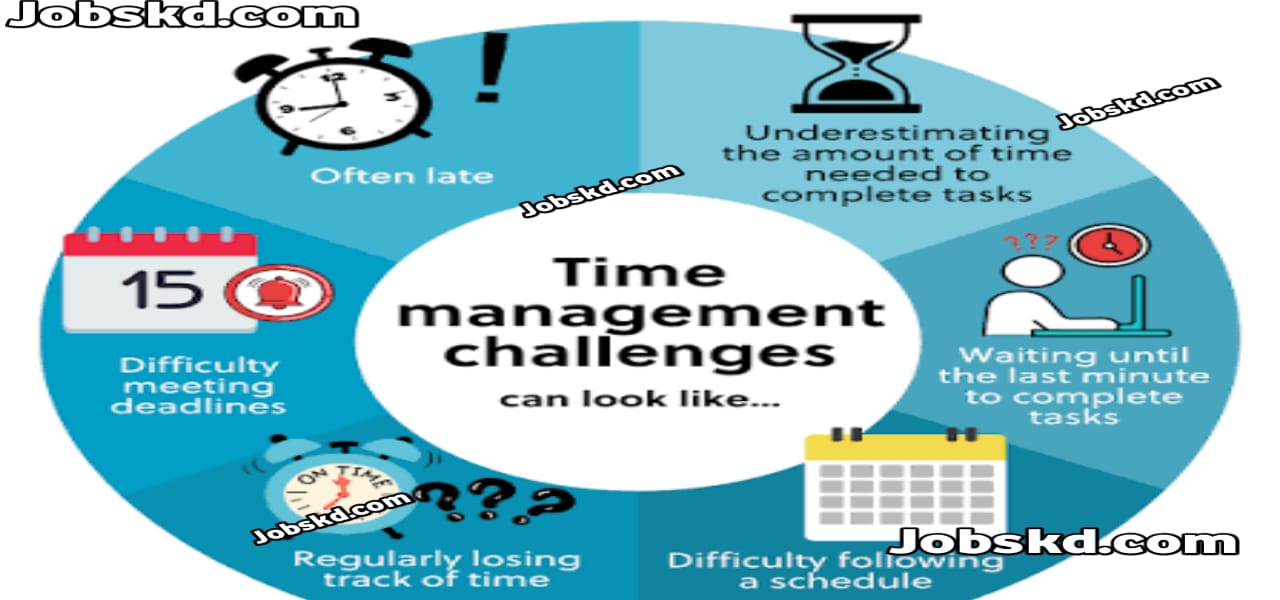
Poor time management might result from students’ frequent inability to recognize how quickly time passes. They cultivate a stronger feeling of accountability and urgency in their actions by realizing the importance of every hour. Students can identify times of ineffective behavior and replace them with more worthwhile and productive pursuits by being conscious of how they spend their daily time.Time Management Tips for Students This change not only increases their output but also fosters a habit of making the most of their free time for development and success.
Setting Clear Goals
Setting specific, attainable goals for students is the foundation of effective time management. They must clearly state what they want to achieve in the short and long terms. Students can lessen the intimidation that comes with big goals by breaking them down into smaller, more doable activities.Time Management Tips for StudentsTime Management Tips for Students As each work is completed, this approach not only streamlines the completion process but also creates a sense of accomplishment, which eventually leads to more efficient time management.
Creating a Study Schedule

For students to effectively manage their time, a well-organized study timetable is essential. Students should set up particular time periods for each topic, taking into account things like importance and difficulty. Maintaining a regular schedule fosters discipline,Time Management Tips for Students which guarantees that no topic is missed. To enable a more thorough learning method, a balanced study plan should also include time for review, finishing projects, and taking breaks for relaxation.
Prioritizing Tasks Wisely
Students need to learn how to efficiently organize their assignments based on their importance and due dates. They may guarantee that crucial work is finished on time by concentrating on high-priority activities first, reducing last-minute stress. This method improves the overall caliber of the job performed while also reducing stress.
Avoiding Procrastination
A major obstacle to efficient time management is procrastination, which often leads to elevated stress levels and the need to finish tasks quickly. It is recommended to start work with manageable, smaller components, set clear deadlines, and keep focus throughout the process in order to prevent procrastination, especially among students. Improving productivity and time management requires realizing that the first step in conquering procrastination is sometimes the most difficult but vital component.
Minimizing Distractions
Social media, cell phones, and other pointless interruptions are examples of distractions that can drastically reduce productivity and squander students’ important time. Establishing a calm and orderly study space is crucial for students since it helps them stay focused and increases their overall productivity. Additionally, by restricting screen usage during study hours, students may increase their productivity, which will boost their academic achievement and make better use of their study times.
Taking Breaks and Maintaining Balance

Studying nonstop without taking enough pauses can lead to mental exhaustion and decreased focus, which eventually impedes learning. It is imperative that students take brief pauses in between study sessions since this practice helps to refresh the mind, which significantly improves attention and knowledge retention. Additionally, students should emphasize getting enough sleep, exercising often, and setting aside time for hobbies and leisure activities in order to maintain a good balance. A comprehensive strategy like this improves academic achievement and promotes general well-being.
Reviewing and Reflecting
For students to manage their time effectively, regular revision is essential. Students should regularly examine their notes, either daily or weekly, rather than cramming at the last minute before exams. By reviewing and reiterating the content they have learned, this exercise not only strengthens memory but also helps students identify certain areas in which they might need to improve. Students can improve their overall academic performance and better prepare for tests by developing the habit of regularly reflecting on their learning.
Conclusion
Time management is a crucial ability that requires consistent practice and commitment. Effective time management for students entails a number of techniques, including goal-setting, careful planning, avoiding distractions, and striking a healthy work-life balance. Students who develop these habits early on not only improve their academic achievement but also better prepare themselves to face obstacles in their personal and professional life. This proactive approach to time management creates a solid basis for success throughout one’s life.