
Table of Contents
ToggleHow to Improve Communication Skills for Jobs
Effective communication is essential for landing a job and succeeding at it. These qualities include the capacity to communicate ideas effectively, listen intently, and speak clearly—all of which have a big impact on professional growth. Improving one’s communication abilities helps people advance in their careers by boosting self-confidence and making them stand out in the workplace.
Understanding the Importance of Communication
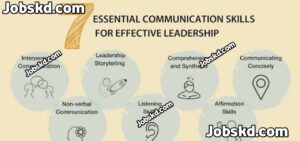
excellent thought exchange and improving mutual understanding depend on excellent communication. Candidates who exhibit the capacity to handle professional conversations, work in teams, and express ideas clearly are given preference by employers. Strong communication skills are also essential for developing a good rapport with clients and coworkers.
Work on Your Speaking Skills
It’s crucial to practice speaking confidently and clearly if you want to improve your speaking abilities. To make sure your audience can properly understand what you’re saying, try to talk at the ideal pace—neither too fast nor too sluggish. Your thoughts will be communicated more effectively if you use clear, formal language. Think about recording your voice or speaking in front of a mirror for efficient practice. By evaluating your performance and pinpointing areas that need work, these techniques help you enhance your communication skills in general.
Improve Your Listening Skills
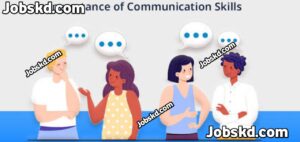
The ability to listen is just as i\. It requires giving the speaker your undivided attention and avoiding distractions. Good listening improves understanding of instructions and enables more suitable replies. This exercise can enhance relationships in general and is essential for interpersonal communication.
Build Your Vocabulary
Gaining a large vocabulary greatly improves your capacity to communicate concepts intelligibly and successfully. Every day is a good time to pick up new vocabulary and actively use it in conversations. However, in order to keep communication accessible and intelligible to others, it is essential to keep language simple.
Practice Body Language
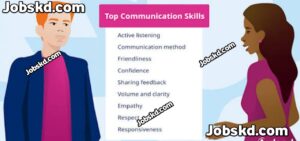
In interpersonal encounters, nonverbal communication—which includes things like posture, eye contact, and facial expressions—is very important. Maintaining eye contact during a discussion is a good way to interact with people and show interest and attentiveness. Furthermore, adopting a confident stance reinforces a sense of self-assurance by making one appear more favorable to others. When combined, these techniques create a favorable image and make conversation easier and more fruitful.
Read and Write Regularly
One’s comprehension of language is improved by reading books, articles, and professional material; this leads to a more sophisticated knowledge of vocabulary, grammar, and stylistic variance. Regular writing exercises help people organize their thoughts and express themselves clearly and precisely. Combining reading and writing improves communication abilities in general and allows for more in-depth interaction with written content and self-expression.
Take Feedback Seriously
Asking trusted people, such friends, instructors, or coworkers, for criticism might help you improve your communication skills. You may learn a lot by asking them how they see your communication style. You may successfully address your shortcomings and create a more sophisticated communication style by using their constructive feedback to pinpoint areas where you might need to improve.
Join Discussions and Group Activities
One of the most important opportunities for people to improve their verbal communication abilities in front of peers is to participate in group conversations. In addition to helping with speech practice, this involvement is crucial for boosting self-confidence. Additionally, it helps improve one’s capacity to communicate ideas clearly in a cooperative team environment, encouraging a more lively interchange of ideas and creating a nurturing atmosphere for mutual learning and development.
Practice in Real Life Situations
It is crucial to actively participate in everyday encounters if you want to improve your communication abilities. This involves asking questions, sharing ideas, and having conversations with colleagues. The best way to improve is through practical application in real-world scenarios.
Avoid Common Mistakes
It is crucial to speak effectively by staying away from unnecessary and complex vocabulary. Along with the vital ability of active listening, thoughtful communication should be given top priority. Additionally, in order to preserve discourse appropriateness in professional settings, it is important to minimize the use of informal language.
Conclusion
It takes time and persistent work to improve communication abilities. To become more confident and proficient in communication, speaking and listening skills must be regularly practiced. Effective communication skills are beneficial for both career progression and job acquisition.