How to Prepare for a Job Interview Step by Step
How to Prepare for a Job Interview Step by Step
Introduction
How to Prepare for a Job Interview Step by Step
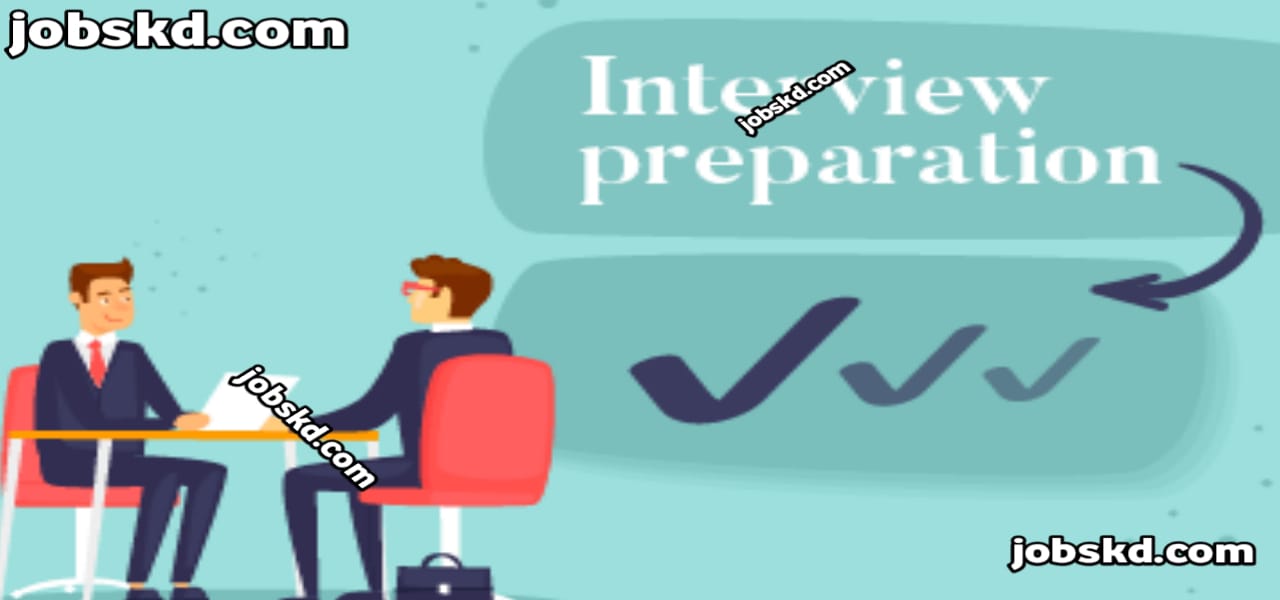
Making a good impression at a job interview and increasing your chances of getting hired depend on your preparation. A well-prepared candidate exhibits professionalism and genuine interest for the role in addition to confidently answering questions.How to Prepare for a Job Interview In order to ensure that you come across as a capable and motivated candidate,How to Prepare for a Job Interview this article provides a methodical approach to interview preparation.
Step One Understand the Job Role
It is essential to start by carefully reading the job description in order to properly prepare for a job application. This involves determining the position’s primary duties and necessary competencies. Applicants can assess if their experience fits the employer’s expectations by closely examining these components. Candidates might show themselves as the best How to Prepare for a Job Interview match for the position by using this tactical technique to customize their answers during interviews or application procedures.
Step Two Research the Company How to Prepare for a Job Interview
In order to match your interview replies to the company’s purpose, beli efs, products, and accomplishments, you must have a thorough understanding of the business. This information highlights your sincere interest in the firm and shows how your objectives coincide with theirs, which can eventually strengthen your application for a job there.
Step Three Prepare Common Interview Questions

Practicing responses to frequently asked interview questions is crucial for interview preparation. During the actual interview, this preparation enables applicants to confidently and logically discuss their experiences and qualifications. “Tell me about yourself,” “What are your strengths and weaknesses?” and “Why do you want to work here?” are examples of often asked questions.
Responses should be organized utilizing the STAR technique (Situation, Task, Action, Result) in order to give succinct and understandable examples of abilities and accomplishments. Additionally, by imitating interview settings and giving candidates the opportunity to get feedback and improve their responses, mock interviews can further improve performance. Regular practice makes applicants more competitive in the job market by improving recollection and boosting self-confidence.
When someone is asked to “Tell me about yourself” in an introduction setting, the answer usually includes personal history, educational background, work experiences, and pertinent abilities. Usually, the person’s name comes first, followed by a brief description of their hometown. This is often followed by information on their educational background, including any degrees or certificates they have earned, especially those related to their current hobbies or area of expertise.
After that, information on prior employment experiences or positions may be included, emphasizing any noteworthy accomplishments or duties in those jobs. It is also possible to expound on skills like interpersonal skills or technical proficiencies that are especially relevant to the audience or environment. Furthermore,How to Prepare for a Job Interview
Assessing one’s strengths and limitations in the context of professional or personal development requires reflection and analysis. Strengths are often defined as a person’s aptitudes, competencies, and favorable characteristics that help them accomplish objectives and function well. Strong communication skills, leadership qualities, critical thinking, flexibility, and teamwork are examples of common capabilities.
Conversely, weaknesses are areas in which people may find it difficult or inadequate. These might include a propensity for perfectionism, poor time management, trouble speaking in front of an audience, or difficulties assigning assignments. Finding one’s talents and limitations is essential for personal development because it enables people to take advantage of their strengths while actively trying to address their deficiencies. This promotes a well-rounded and effective strategy for both professional success and self-improvement.
Candidates should concentrate on providing a precise and unambiguous link between their career goals and the opportunity offered by the role when responding to the question, “Why do you want this job?” Enthusiasm for the company’s vision and values, compatibility with personal career objectives, and appreciation of how the work provides for professional growth and skill development are all examples of components of a well-structured answer.
Referencing the good aspects of the company culture, the possibility of teamwork, and the chance to contribute to worthwhile initiatives is also advantageous. Additionally, candidates should highlight their hobbies and relevant experiences that align with the job duties, demonstrating both their suitability for the position and their drive to make a significant contribution to the team and the company as
Incorporating concrete real-life examples from your own experiences is crucial to improving the clarity and conciseness of your responses. This strategy engages your audience and successfully demonstrates your views, making your arguments more approachable and understandable. Giving concrete examples may make difficult ideas easier to understand and show how your ideas can be used in real-world situations, which will improve your communication’s overall efficacy.
Step Four Highlight Your Achievements

In order to properly prepare for your job application or interview, go back on your prior achievements and evaluate how they relate to the role you are looking for. To support your credentials, it is essential to provide concrete instances of your abilities, especially in problem-solving. To demonstrate not just your skills but also the concrete results of your job, highlight the accomplishments you have made in past positions. You may greatly improve your candidacy by carefully describing these events.
Step Five Prepare Questions for the Interviewer
It’s crucial to always have a list of perceptive questions ready to ask at the end of the interview. By doing this, you show that you are really interested in and enthusiastic about the position under discussion. Think about asking about things like the team culture, chances for advancement within the organization, or particular requirements related to the role. In addition to demonstrating your proactive approach, these inquiries assist you in obtaining important data to ascertain whether the position is in line with your professional goals.
Step Six Practice Your Communication Skills
Prioritize professionalism, confidence, and clarity when developing successful speaking abilities. Practice frequently by practicing in front of a mirror or conversing with a buddy. Aspects like tone, body language, and eye contact are crucial to take into account since they have a big impact on how your audience perceives and comprehends your message.
Step Seven Choose Appropriate Attire
In keeping with the company’s ethos, it is imperative to dress neatly and professionally. Because first impressions matter, how you look should reflect your seriousness and appreciation for the chance.
Step Eight Organize Your Documents
Making numerous copies of your résumé, diplomas, and any other required papers is crucial to ensuring a seamless presentation during interviews or professional assessments. Make sure these resources are well-organized so that prospective employers or assessors can quickly and easily access them upon request.
Step Nine Plan Your Journey or Setup
It is best to carefully plan your journey and try to be early if the interview is in-person. On the other hand, in order to avoid any possible technical problems during the online interview, it is crucial to verify your internet connection as well as your camera and microphone beforehand.
Step Ten Stay Calm and Confident
It is crucial to keep a calm and upbeat attitude on the day of the interview. In order to properly manage their nervousness, candidates should concentrate on taking deep breaths. Active listening is essential; in order to come up with well-considered answers, each question must be carefully considered. Being calm and confident at the same time might make a big impression on the interviewer.
Conclusion
It takes a lot of time and effort to prepare for a job interview, but doing so will increase your chances of success. It’s crucial to be well-prepared and show yourself as a competent applicant who can benefit the company if you want to approach your interview with more confidence. Putting good preparation techniques into practice may have a big impact on how you come across to interviewers and, ultimately, your chances of getting hired.